What Is Residential Window Repair and Why Is It Important?
Residential Window Repair is the practical process of restoring damaged, loose, drafty, or poorly sealed windows in a home. It may include replacing cracked glass, worn weatherstripping, failed insulated-glass seals, broken locks, or damaged frame sections. A technician also checks water entry, air leakage, condensation, and unsafe operation. Small defects can become expensive problems. Moisture behind trim may stain drywall, weaken wood, and encourage hidden decay.
The U.S. Department of Energy reports that heat gain and heat loss through windows account for about 25% to 30% of residential heating and cooling energy use. That figure explains why a poorly sealed bedroom window can affect comfort and utility costs. It does not mean every window needs replacement. Sometimes, a new gasket or adjusted latch solves the real problem. ENERGY STAR guidance recommends evaluating frame condition, glazing performance, and installation quality before choosing an upgrade. The National Fenestration Rating Council also emphasizes U-factor and solar heat gain coefficient ratings when comparing window performance.
Good repair decisions require more than filling a visible gap. A qualified professional should identify the failure’s source, document moisture damage, and explain whether repair or replacement offers better long-term value. Still, inspection results are not always perfect. Hidden deterioration can remain unnoticed until trim is removed. That uncertainty deserves honest discussion.
Residential Window Repair matters because windows influence safety, indoor comfort, ventilation, energy use, and moisture control. A repaired window should open smoothly, close tightly, and keep rain outside. The details matter.
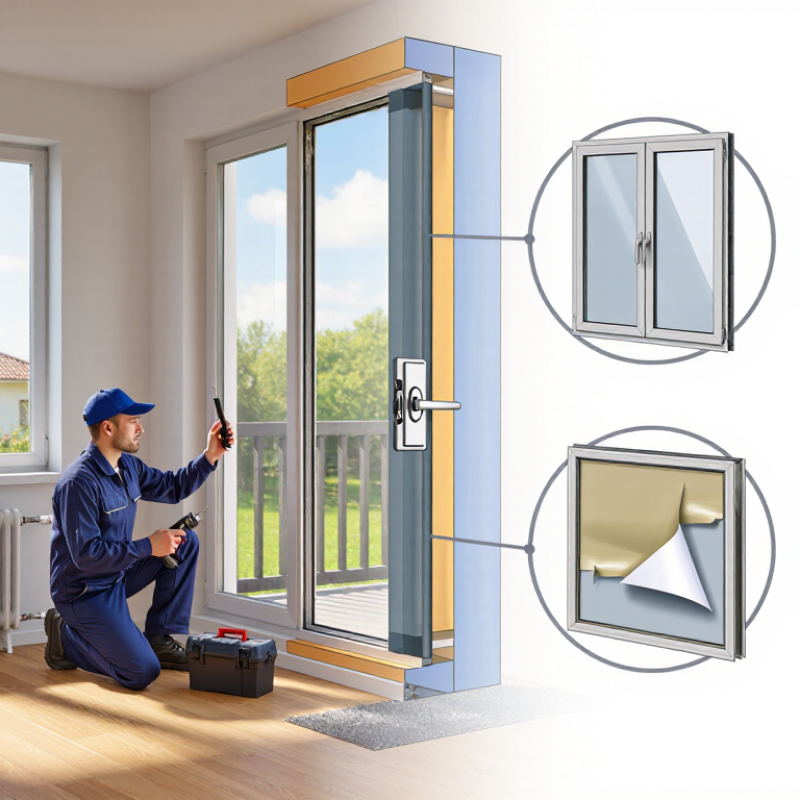
What Residential Window Repair Involves
What Is Residential Window Repair and Why Is It Important?
What Residential Window Repair Involves
Residential window repair is the practical process of restoring damaged glass, frames, seals, hardware, and surrounding trim. It begins with inspection, not guesswork. A technician checks drafts, moisture, cracked panes, failed insulated-glass seals, loose locks, and water stains. They also examine the sill and wall for hidden rot. A fogged double-pane unit may need glass replacement. A loose hinge may only need adjustment. The distinction matters. Replacing the whole window can waste sound materials.
Repair involves safe removal, accurate measurements, compatible materials, and careful installation. A glazier may replace broken glass, renew perimeter seals, install weatherstripping, or reset flashing around the frame. The U.S. Department of Energy reports that windows can account for about 25% to 30% of residential heating and cooling energy use. Small gaps can become costly comfort problems. EPA ENERGY STAR guidance estimates that replacing single-pane windows with certified products may reduce household energy bills by 7% to 15%. Performance still depends on installation quality.
A professional repair includes testing after installation. The sash should move smoothly, locks should engage, and no daylight should show around the frame. Moisture readings can reveal trouble that looks minor. Not every window should be repaired. Severe frame decay, repeated seal failure, or unsafe glass may justify replacement. Even experienced technicians can misread a stain. Photos and written findings make decisions more reliable. A rushed patch can look acceptable, then fail during the next heavy storm.
Common Causes of Residential Window Damage
What Is Residential Window Repair and Why Is It Important?
Common Causes of Residential Window Damage
Residential windows rarely fail for one reason. During home inspections, professionals often find damage caused by impact, weather, age, or installation problems. A ball, fallen branch, or careless moving job can create chips and cracks in the glass. Even a small crack can spread after repeated temperature changes.
Thermal stress is another common cause. Dark blinds, strong sunlight, and uneven heating can make one section of glass expand faster than another. Cold winters may worsen the pressure. Moisture can also enter damaged seals, causing foggy glass, staining, or wood frame decay. Poor drainage around the window makes this problem worse.
Frames may shift as a house settles. That movement can make windows stick, scrape, or close unevenly. I have seen homeowners blame old hardware when the real issue was frame movement. That mistake can waste money. Aging locks, hinges, and weatherstripping also reduce security and energy efficiency.
Some damage is easy to notice. Some is not. A window may look fine while losing its seal or allowing air around the edges. Professional assessment helps separate a repairable issue from damage requiring replacement. It should include the glass, frame, hardware, seals, and surrounding wall. A quick patch is not always enough.
How to Identify Windows That Need Repair
What Is Residential Window Repair and Why Is It Important?
Residential window repair restores damaged or poorly working windows before small defects become expensive problems. A cracked pane, loose frame, or failed seal can reduce comfort and allow moisture inside. In my experience, homeowners often notice the draft first, not the damage. Cold air near the glass, rising energy bills, and uneven room temperatures deserve attention.
Look closely at the window during daylight. Fog or water between double panes usually indicates a failed seal. Soft wood, peeling paint, or dark stains around the frame may suggest moisture damage. Test the handle and locks gently. They should move smoothly without force. A window that sticks, rattles, or will not close tightly may need professional inspection. Do not ignore a small crack. Temperature changes can make it spread, although not every mark means the entire window needs replacement. I have found that rushed conclusions often lead to unnecessary work.
Tips: Check windows after heavy rain and during seasonal temperature changes. Use a thin strip of paper to test for air leaks around closed sashes. If the paper slips out easily, the weatherstripping may be worn. Photograph suspicious areas before arranging an inspection. A qualified technician can check the frame, glass, seals, and drainage paths together. This matters because the visible problem is sometimes only a symptom.
The Residential Window Repair Process
Residential window repair begins with a careful inspection, not an immediate replacement. A trained technician checks the glass, frame, sash, locks, hinges, and weather seals. Small details matter. A draft near one corner may indicate a failed seal or a warped frame.
The repair process usually starts with identifying the damage and measuring the window accurately. Cracked glass requires secure removal and precise fitting of a new pane. Loose hardware may need tightening, adjustment, or replacement. If the frame has moisture damage, the technician should examine nearby wood before installing anything. Otherwise, the problem may return.
Safety comes next. The work area is cleared, and broken glass is handled with protective equipment. After installation, the technician checks the window’s movement, lock, alignment, and air seal. A simple sheet of paper can reveal weak compression around the sash. Water testing may also expose gaps that are invisible indoors.
Not every window should be repaired. Severe frame rot or repeated seal failure can make repair impractical. However, replacement is not always the better answer. I have seen minor hardware problems become expensive after rushed decisions. A reliable assessment explains the cause, the repair limits, and the expected service life. Homeowners should also receive clear maintenance advice, such as cleaning tracks and checking seals seasonally. Some inspections miss hidden moisture. That is worth remembering.
Why Timely Window Repair Is Important
Residential window repair addresses cracked glass, failed seals, loose hardware, warped frames, and water intrusion. It restores the window’s basic functions: insulation, ventilation, daylight, and security. A damaged seal may appear as fog between panes. A small frame gap may produce a cold draft across the living room floor.
Timely window repair matters because minor defects rarely remain minor. The U.S. Department of Energy’s Energy Saver guidance estimates that windows account for 25%–30% of residential heating and cooling energy use. Air leaks can make a furnace or air conditioner work longer. That raises utility costs and creates uneven room temperatures. A repair technician can inspect weatherstripping, flashing, drainage paths, glass edges, and operating hardware before recommending replacement.
Moisture requires faster attention. The U.S. Environmental Protection Agency advises drying wet materials within 24–48 hours to limit mold growth. A leaking window can stain drywall, soften trim, and damage insulation behind the wall. In practice, homeowners often wait because the damage looks cosmetic. That assumption is often wrong. I would not treat every fogged pane as an emergency, but ignoring it for months can hide worsening seal failure. Repair decisions are sometimes imperfect. They should still consider the window’s age, frame condition, energy ratings, and the source of the leak.