China Top 10 Aluminum Composite Panel Manufacturers
China’s aluminum industry supports a broad network of manufacturers serving architecture, transportation, signage, and interior design. This guide examines China’s top Aluminum Composite Panel manufacturers through practical, verifiable criteria rather than marketing claims. Production capacity, coating technology, core composition, fire performance, dimensional control, and export experience all matter when selecting a supplier.
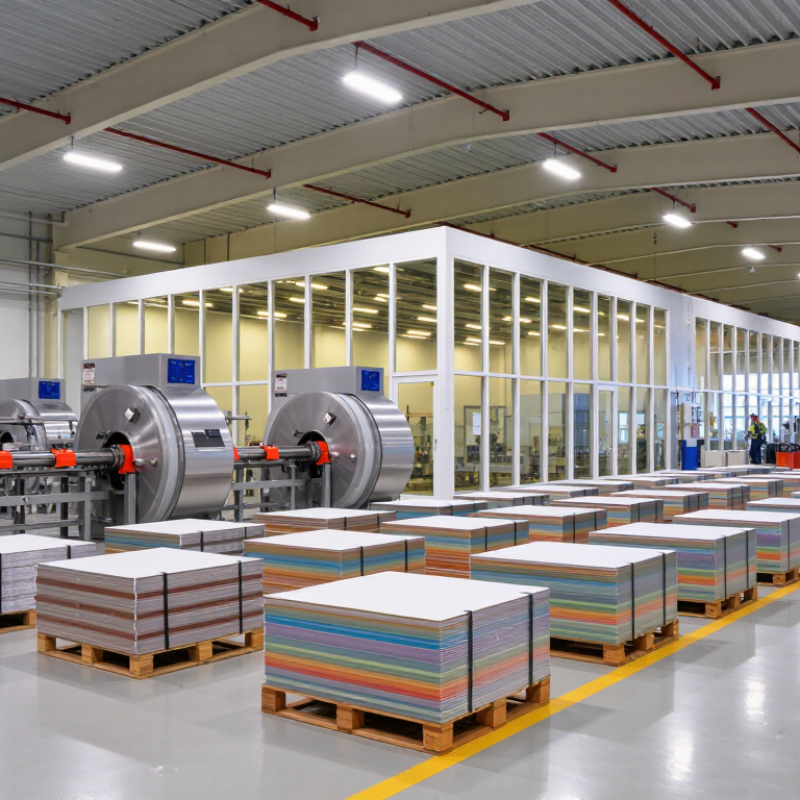
Real evaluation begins inside the factory. A reliable manufacturer should provide clear product specifications, test reports, quality records, and traceable raw-material information. Visitors may notice coil-cleaning systems, automated lamination lines, controlled curing areas, and neatly labeled panels awaiting inspection. These details often reveal more than polished brochures. Independent certifications and project references can strengthen confidence, but they should be checked carefully. Documents can become outdated.
The companies discussed here may differ in scale, specialization, and international reach. Some focus on standard exterior panels, while others develop fire-resistant, lightweight, or customized solutions. Pricing alone cannot show long-term value. Adhesion strength, color consistency, weather resistance, installation support, and after-sales communication deserve equal attention. This overview aims to help architects, contractors, distributors, and purchasing teams compare suppliers with greater clarity. It also recognizes an important limitation: no published ranking can reflect every factory’s current performance. Manufacturing conditions, management teams, and material sources may change. Careful verification remains necessary.
Industry Overview of Aluminum Composite Panels in China
China’s aluminum composite panel industry is closely tied to urban construction, renovation, and commercial interiors. Grand View Research estimated the global market at about USD 6.1 billion in 2023. Its forecast also suggests steady growth through 2030, near 6% annually. China remains a major production and consumption center, supported by large facade projects and expanding retrofit demand.
The National Bureau of Statistics reported China’s construction industry output above RMB 31 trillion in 2023. This figure does not measure panel sales directly. Still, it shows the scale of the downstream market. Typical projects use 3–4 millimeter panels, aluminum skins, mineral or polymer cores, and fluorocarbon or polyester coatings. Installers check flatness, joint spacing, coating consistency, and corner strength on site. Small defects become obvious under low afternoon sunlight.
Performance depends on more than appearance. GB/T 17748 covers aluminum composite panel product requirements, while GB 8624 supports fire classification assessment. Reports from Mordor Intelligence and Fortune Business Insights publish different market values, partly because their definitions differ. The picture is not perfectly clean. Some suppliers emphasize low weight, yet overlook substrate movement and drainage details. That deserves scrutiny. Responsible buyers should request thickness records, coating data, fire-test documents, and batch samples before approving large orders.
How the Top 10 Manufacturers Are Selected
China Top 10 Aluminum Composite Panel Manufacturers
The top ten manufacturers are selected through evidence, not online popularity. We examine factory experience, production capacity, and technical control. A reliable manufacturer should explain its core materials, panel structure, and coating process clearly. Site visits can reveal details that brochures often hide. We check clean workshops, organized storage, calibrated equipment, and stable production lines.
Product quality receives close attention. Independent laboratory reports may cover peel strength, fire performance, weather resistance, and coating durability. We also inspect physical samples under daylight and after controlled exposure. Small differences in flatness, color, edge cutting, or protective film can affect installation results. Useful manufacturers provide traceable batch records and clear inspection procedures.
Practical experience matters too. We compare project references, delivery performance, customization ability, and communication during technical discussions. A strong supplier can answer questions about thickness tolerance, core composition, bending limits, and packaging protection. Certifications help, but certificates alone are not enough. Records can mislead. Some evaluations may also depend on incomplete public information, so the ranking should remain open to revision. We give greater weight to verifiable factory data, consistent samples, responsive service, and compliance with applicable safety and environmental requirements. Past performance is valuable, but current production conditions deserve another inspection.
China Top 10 Aluminum Composite Panel Manufacturers — How the Top 10 Manufacturers Are Selected
Editorial selection criteria and their relative weighting
The selection framework evaluates manufacturers using practical industry criteria: production capability, product quality and certifications, export experience, customization ability, project references, and delivery and after-sales service. The percentages represent the weighting of each criterion in the editorial assessment and do not disclose individual company or brand data.
Profiles of China’s Leading Aluminum Composite Panel Manufacturers
China Top 10 Aluminum Composite Panel Manufacturers
China’s leading aluminum composite panel manufacturers serve façade, interior, transport, and signage projects worldwide. Grand View Research valued the global aluminum composite panels market at approximately USD 6.8 billion in 2023. Its forecast also indicates steady growth through 2030, driven by lightweight construction and energy-conscious renovation.
The strongest Chinese producers usually operate integrated coating, bonding, and quality-control lines. They test aluminum thickness, core composition, peel strength, flatness, and color consistency before shipment. Fire-rated product lines often reference EN 13501-1, ASTM E84, or China’s GB/T 17748 standard. Certifications matter. They do not replace independent verification.
Many top-tier factories offer PVDF and FEVE coatings, custom colors, CNC cutting, and project-specific panel sizes. Some maintain automated coil-coating systems, while others rely more heavily on manual inspection. That difference can affect batch consistency.
A polished brochure is not proof. Buyers should request recent test reports, production samples, coating warranties, and factory audit records.
Research and Markets identifies construction as the dominant application area, but project performance still depends on installation, joint design, and site conditions. A manufacturer may produce excellent panels yet provide weak technical support. That uncomfortable detail deserves attention. Experienced suppliers therefore provide installation guidance, traceability documents, and clear responses to nonconformity claims.
Product Range, Technologies, and Quality Standards
China Top 10 Aluminum Composite Panel Manufacturers
Comparing China’s top aluminum composite panel manufacturers requires more than reviewing catalog images. Product ranges may include standard exterior panels, fire-rated cores, mirror finishes, stone textures, and panels for interior walls or signage. Check panel thickness, aluminum skin gauge, coating type, and available custom sizes. These details affect stability, appearance, and installation speed.
Manufacturing technology deserves close attention. Reliable factories usually control core extrusion, coil coating, lamination temperature, and flatness through documented procedures. Quality systems may follow ISO 9001, while fire performance should be verified against relevant standards such as EN 13501-1 or ASTM E84. Request current test reports, batch records, and sample panels. A certificate alone is not enough.
Site audits can reveal storage problems, uneven coating, or weak protective film. I have found that small defects often become expensive after installation. That point deserves more attention.
Tips: Compare samples under daylight. Measure thickness yourself. Ask for coating warranty terms. Confirm whether tests match your destination market. Do not trust identical claims from every supplier. A polished brochure proves little. Review independent inspection options, too. Manufacturers with consistent data, traceable production, and responsive technical support are easier to assess, even when their prices are not the lowest.
Market Comparison and Buyer Selection Guidelines
China Top 10 Aluminum Composite Panel Manufacturers: Market Comparison and Buyer Selection Guidelines
Comparing China’s leading aluminum composite panel manufacturers requires more than checking export volume or online rankings. A top-ten list is only a starting point. Buyers should examine panel thickness, aluminum skin gauge, core composition, coating system, and production consistency. Request technical datasheets and recent batch reports. Small differences matter. A 0.02-millimeter skin variation can affect flatness, bending, and service life.
Price comparisons should use identical specifications, not vague “standard panels.” Ask whether quotes include protective film, packaging, testing, inland delivery, and replacement terms. Review coating performance through recognized weathering and adhesion tests. For exterior projects, confirm fire classification and local building-code compatibility with qualified professionals. Factory audits can reveal practical details, including clean storage areas, calibrated equipment, and packaging that prevents corner damage.
Experience also suggests checking samples under real lighting. Gloss levels may appear different after installation. Ask for references from projects using similar climate conditions and panel colors. Confirm lead times in writing, especially during peak construction seasons. A low-cost supplier may be suitable, but only when quality controls are documented. I would not rely on polished brochures alone. Some comparisons still overlook after-sales response, which can become expensive when panels arrive scratched or dimensions vary. Independent inspection before shipment is often worthwhile, although smaller orders may make that cost difficult to justify.
