Top 10 Impact Windows Brands for Global Buyers?
Choosing Impact Windows is a serious decision for homeowners, developers, and international distributors. These products protect openings from windborne debris, heavy rain, and sudden pressure changes. However, performance depends on more than attractive frames or impressive brochures. Glass construction, interlayer quality, frame strength, drainage design, and installation support all matter.
This guide examines ten leading Impact Windows brands for global buyers. It considers product durability, testing transparency, design flexibility, warranty terms, and availability across different markets. Readers should look for independently verified performance data, not only sales language. A window may appear strong in a showroom yet perform differently after years of heat, salt air, or poor installation. That detail is easy to overlook.
We also consider practical purchasing questions. Can the supplier provide technical drawings and replacement parts? Are sizes suitable for regional building systems? Does the warranty remain useful after international shipping? These questions often reveal more than a brand’s reputation. They also help buyers compare total ownership costs, rather than focusing only on the initial quotation.
No ranking is perfect. Market access and local service can change quickly. Still, real product specifications, installer experience, customer feedback, and responsive technical support provide a more dependable comparison. The strongest brands usually combine tested protection with clear documentation and realistic claims. Buyers should verify regional requirements with qualified professionals before ordering. Small details matter. A missed measurement can become an expensive lesson.
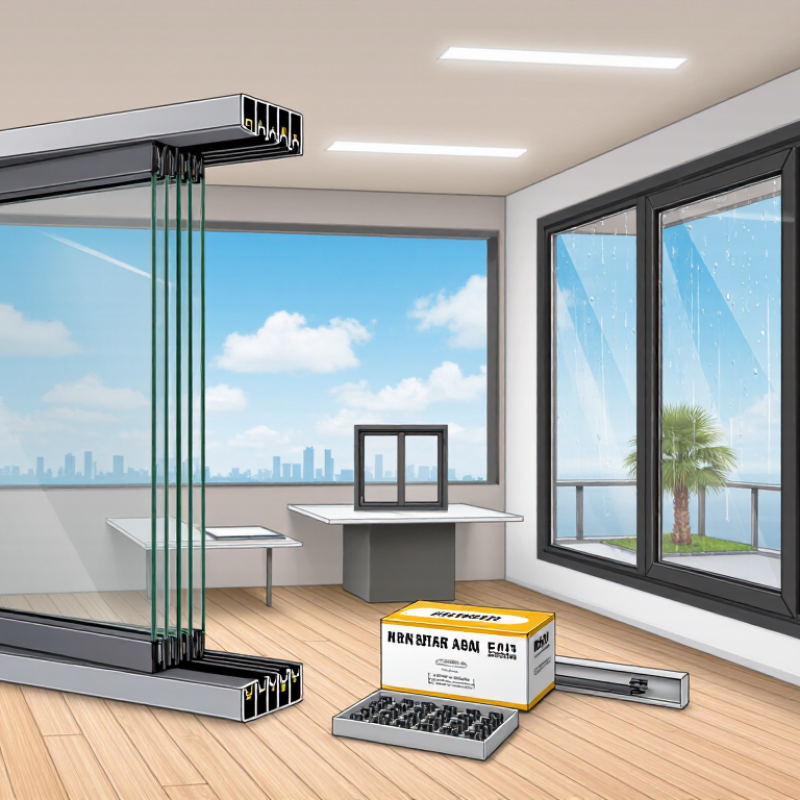
What Are Impact Windows and Why Do Global Buyers Need Them?
Impact windows are engineered systems, not simply thick glass. They usually combine two glass layers with a strong interlayer between them. If debris strikes the pane, the glass may crack, but the bonded layer helps keep the opening closed.
This matters in coastal regions, storm corridors, and areas with sudden wind events. A damaged window can expose rooms to rain, pressure changes, and flying fragments. Impact windows may also reduce outside noise, limit ultraviolet exposure, and improve indoor comfort. They are not completely storm-proof. That distinction matters.
Global buyers should examine the complete window assembly, including frames, seals, anchors, and installation methods. A tested product can perform poorly when fitted with unsuitable fasteners or careless sealing. Check regional requirements for wind pressure, water resistance, thermal performance, and emergency egress. Coastal projects may also need corrosion-resistant hardware and careful drainage design.
My early mistake was comparing glass thickness alone. The frame and installation often decide the real outcome. Buyers should request test reports from recognized laboratories, clear performance ratings, and written warranty conditions. Ask how replacement parts are supplied across borders. Also consider shipping damage, local installers, and long-term maintenance. The strongest specification is useless if no qualified team can install it correctly.
How to Evaluate Impact Window Brands Across International Markets
Top 10 Impact Windows Brands for Global Buyers?
Glass specifications also deserve close attention. Look at laminated interlayers, frame materials, thermal breaks, U-value, and solar heat gain. A window designed for Florida may perform poorly in a cold mountain region. Local energy rules can change the best choice. Certification marks should be traceable to recognized laboratories. Ask for current documents. Old reports can mislead.
Installation support often separates reliable suppliers from impressive brochures. Confirm installer training, replacement part access, delivery procedures, and warranty responsibilities. A long warranty means little without local service. Speak with contractors who have installed the systems for several seasons. Inspect finished corners, seals, drainage paths, and operating hardware. Small defects become expensive after heavy rain.
No evaluation method is perfect. I would not rely on one score alone. Price comparisons can also hide shipping, taxes, preparation, and maintenance costs. My own checklist would probably overvalue technical data and undervalue communication speed. That is worth correcting. A dependable supplier answers difficult questions clearly, admits limitations, and provides evidence suited to the local market.
Top 10 Impact Window Brands and Their Distinctive Strengths
For global buyers, the strongest impact-window suppliers stand apart through ten practical strengths: laminated glass, tested frame systems, pressure resistance, thermal efficiency, corrosion protection, acoustic control, custom sizing, verified ratings, installation support, and long warranties.
These features matter more than polished showroom claims. ASTM E1886 and E1996 testing measures impact resistance and repeated wind pressure. However, certification should cover the complete window assembly, not glass alone. The U.S. Department of Energy reports that windows can cause 25–30% of residential heating and cooling energy use. Better frames and low-emissivity glazing can therefore reduce costly indoor temperature swings.
Regional conditions change the buying decision. A coastal project needs reinforced hardware and durable coatings. A cold-climate home may benefit from triple glazing and warm-edge spacers.
In noisy cities, laminated glass can soften traffic sounds, though it will not create silence. NFRC ratings help compare U-factor and solar heat gain coefficient across products.
Installation remains a weak point. Even a highly rated unit can leak air through a poorly sealed opening. This is where many comparisons become unfair, and I may be oversimplifying performance by focusing too heavily on laboratory results.
Tips: Request test reports, NFRC labels, warranty terms, and installer references. Confirm the product’s pressure rating for the project location. Check replacement-part availability before ordering. Ask whether the quoted performance includes the frame, glass, hardware, and installation. Small details matter.
Comparing Materials, Performance Standards, Prices, and Warranty Terms
Top 10 Impact Windows Brands for Global Buyers?
Comparing Materials, Performance Standards, Prices, and Warranty Terms
Material choice changes comfort, maintenance, and price. Laminated glass can remain bonded after impact, reducing dangerous shards. Vinyl frames usually cost less and resist corrosion. Aluminum offers slimmer sightlines, but conducts more heat. Fiberglass is stable, yet often carries a higher purchase price.
The U.S. Department of Energy reports that windows can influence 25–30% of residential heating and cooling energy use.
Testing matters more than marketing language. Look for NAFS-2022 performance ratings, plus ASTM E1886 and E1996 impact testing.
In coastal regions, local wind-pressure calculations remain essential. A product tested for one wind zone may not suit another. I would not treat “hurricane-rated” as a complete specification.
Installed prices often fall between $700 and $2,500 per opening, according to recent U.S. consumer cost surveys, but oversized units, reinforcement, shipping, and permits can change the number sharply.
Warranty terms deserve equal attention. Check whether coverage includes glass, frames, hardware, labor, and coastal corrosion. Some warranties transfer once; others do not.
A ten-year glass promise may exclude seal failure after installation changes. That detail is easy to miss.
Quotes should list U-value, solar heat gain coefficient, design pressure, installation scope, and warranty exclusions. A cheaper window can become expensive when replacement labor is excluded.
How Global Buyers Can Select the Right Impact Window Brand
Selecting an impact window brand for an international project requires more than comparing prices. Start with the building’s exposure: salt air, hurricane winds, driving rain, intense sunlight, or repeated temperature changes. Ask for independently verified test reports covering impact resistance, air leakage, water penetration, and structural pressure. A product may pass one test yet perform poorly when installation is careless. That detail is easy to underestimate.
Reliable suppliers explain the tested configuration, including glass thickness, interlayer type, frame material, hardware, and maximum size. They should identify applicable regional standards and provide documents that engineers and local inspectors can understand. Check the paperwork. Do not accept vague claims such as “built for storms.” Request samples, warranty terms, replacement procedures, and realistic delivery times. A low price can become expensive after damaged hardware or unavailable parts. Examine factory quality controls, installer training, and after-sales response in the buyer’s time zone.
Energy performance deserves equal attention. Compare U-value, solar heat gain, visible light, and condensation resistance. A coastal home may need corrosion-resistant components, while a high-rise project may prioritize pressure ratings and approved fixing methods. Reviews help, but documented evidence matters more. Still, no checklist is perfect. Site measurements, wall conditions, and workmanship can change the result. Before signing, have an independent professional review the specifications and installation plan. That small cost can expose a serious mismatch.
Related Posts
-
5 Essential Tips for Choosing the Best Impact Windows and Doors for Your Home
-
5 Smart Tips to Choose the Best Impact Windows for Your Home Upgrade
-
Understanding the Benefits of Best Hurricane Proof Windows for Global Buyers
-
Envisioning Resilience: The Future of Best Hurricane Windows in Modern Architecture
-
7 Ultimate Reasons Why Impact Windows Are a Smart Investment for Your Home
-

What Are Hurricane Windows and Do You Need Them?