Top 10 Hinged Shower Screens for Modern Bathrooms
Modern bathrooms demand more than attractive fixtures. They need practical layouts, reliable materials, and details that remain useful after daily use. A well-chosen Hinged Shower Screen can make a compact room feel wider while keeping water near the showering area. Clear glass reflects light across pale tiles. Matte black hardware adds a sharper, architectural touch.
This guide explores the Top 10 Hinged Shower Screens for Modern Bathrooms. Each option is considered through practical criteria, including glass thickness, hinge quality, door clearance, seals, cleaning requirements, and installation support. These details matter. A screen may look elegant in a showroom, yet feel awkward when its door meets a vanity or towel rail. Careful measurements can prevent that frustration.
The comparison also considers real bathroom conditions. Hard-water marks, uneven walls, poor drainage, and frequent family use can quickly expose weak design choices. Tempered safety glass, corrosion-resistant fittings, and adjustable profiles usually offer stronger long-term value. Always check the manufacturer’s specifications and professional installation recommendations before purchasing. Product quality can vary.
No ranking is perfect. Personal taste, room size, budget, and maintenance habits influence the final decision. A frameless screen may create a cleaner appearance, but it can demand more accurate fitting. A framed model may offer extra stability, although some users prefer its heavier visual presence. The best Hinged Shower Screen is not simply the most expensive option. It is the one that fits the room, opens comfortably, controls splashes, and still looks dependable years later. That sounds obvious. It is often overlooked.
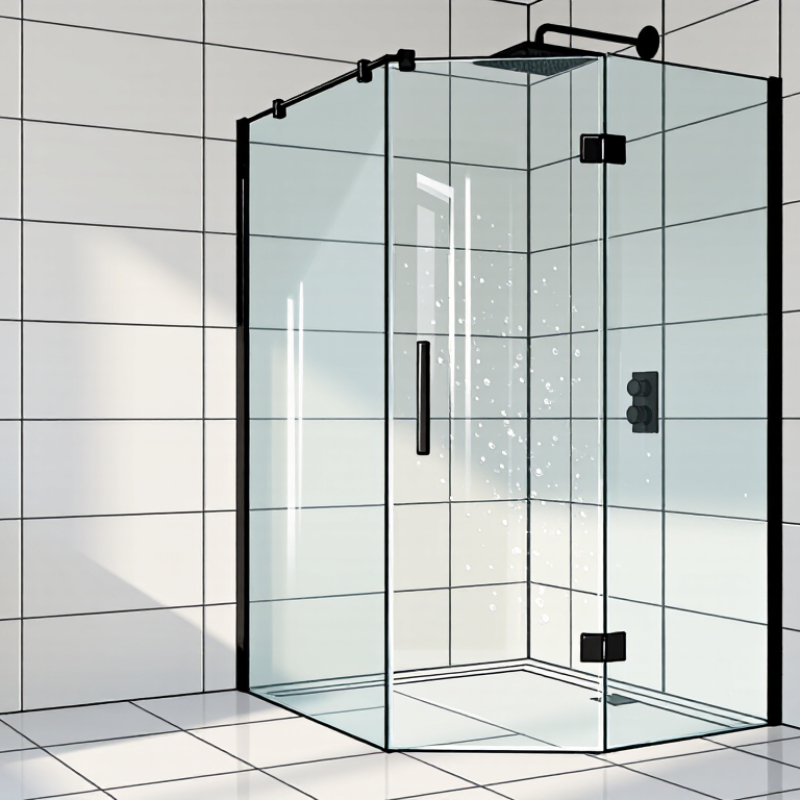
What Defines a Hinged Shower Screen for Modern Bathrooms
A hinged shower screen has one or more glass panels attached to a wall or fixed panel by side-mounted hinges. The panel opens like a door, giving a wide entry without a sliding track across the shower base. That matters daily. Wet hands can reach the handle easily, and the opening is simple to clean around. Depending on its design, the door may swing inward, outward, or both ways; check this before choosing a layout.
For a modern bathroom, the screen’s defining feature is not just clear glass or minimal hardware. It is the balance between easy access, water control, and the room’s available space. A seal along the closing edge helps limit splashes, while carefully aligned hinges support smooth movement. Measure the doorway and nearby fixtures, including towel rails and vanity corners. A door that strikes a cabinet gets annoying fast. Frameless glass can make a compact room feel open, though it may still look visually heavy in a narrow shower. I sometimes underestimate that effect when judging a room from a plan. Regularly wiping the glass and checking hinge fixings helps preserve the clean, uncluttered look.
Key Features to Compare in the Top 10 Hinged Shower Screens
Top 10 Hinged Shower Screens for Modern Bathrooms
When comparing the top 10 hinged shower screens, start with glass safety and thickness. Look for certified tempered glass with polished, smooth edges. Clear glass makes a small bathroom feel larger, but textured glass hides water marks better. Door swing matters too. Measure the opening, nearby toilet, and vanity before choosing an inward or outward design.
Check hinge strength, corrosion resistance, and adjustment range. Solid metal hinges should open smoothly without scraping the floor. Adjustable wall channels can correct minor wall movement, although they cannot fix poor installation. Reliable seals should limit splashes around the door. A low threshold also improves access, but it may require careful floor drainage. Small details matter here.
Compare cleaning needs before buying. Fewer frames and exposed screws usually mean fewer places for soap residue. Ask whether replacement seals and hardware remain available. Installation instructions should show wall fixing points clearly. Professional fitting is wise when walls are uneven or tiles are expensive. I once underestimated a slight floor slope, and the door never sealed perfectly. That mistake changed how I assess drainage and alignment. Check the warranty terms, but do not treat a long warranty as proof of superior construction.
Top 10 Hinged Shower Screens for Modern Bathrooms - Key Features to Compare in the Top 10 Hinged Shower Screens
This comparison covers common hinged shower-screen configurations, not specific products. Dimensions and glass thicknesses are typical examples; check the manufacturer’s specifications and site measurements before purchase.
| No. | Screen configuration | Typical layout | Typical glass thickness | Typical entry width | Best suited to | Key point to compare |
|---|---|---|---|---|---|---|
| 1 | Single hinged door with fixed panel | One pivoting door beside one fixed glass panel | 6–10 mm | About 500–700 mm | Alcove showers with a clear, unobstructed front | Door swing direction and clearance outside the shower |
| 2 | Frameless hinged door | A door hinged to a wall or glass panel, with minimal framing | 8–10 mm | About 550–750 mm | Bathrooms where an open, low-profile appearance is preferred | Hinge support, wall fixings, and accurate wall alignment |
| 3 | Semi-frameless hinged screen | Framed perimeter or fixed panels with a less-framed door | 6–8 mm | About 500–700 mm | Everyday family bathrooms seeking a balance of structure and openness | Adjustment range for out-of-plumb walls |
| 4 | Framed hinged door and side panel | Door and fixed panel held within a perimeter frame | 4–6 mm | About 450–650 mm | Installations where a more supported, enclosed design is useful | Frame finish, seals, and cleaning access around the frame |
| 5 | Corner-entry hinged enclosure | Two glass sides meet at a corner, with a hinged entry door | 6–8 mm | About 450–600 mm | Corner shower bases in compact or medium-sized bathrooms | Door position, tray dimensions, and corner squareness |
| 6 | Wide single hinged door | One broad pivoting door across a shower opening | 8–10 mm | About 650–800 mm | Larger openings where a wider access route is desired | Door weight, hinge capacity, and swing clearance |
| 7 | Compact Hinged Shower Door | Narrow door fitted between walls or beside a fixed panel | 6–8 mm | About 400–550 mm | Small bathrooms with limited floor space | Usable access width and whether the door can open fully |
| 8 | Out-swing hinged screen | Door opens outward from the shower enclosure | 6–10 mm | About 500–700 mm | Bathrooms with sufficient clear space in front of the shower | Nearby vanities, toilets, and other obstacles in the swing path |
| 9 | In-swing hinged screen | Door opens inward into the shower area | 6–8 mm | About 450–650 mm | Bathrooms where outward door clearance is restricted | Interior clearance and ease of access in an emergency |
| 10 | Double-action hinged door | Door hardware allows opening inward and outward | 6–8 mm | About 500–650 mm | Layouts where flexible door movement is helpful | Hardware suitability, seal design, and movement limits |
Safety note: Shower screens should use safety glazing appropriate to local building regulations. Confirm glass type, installation requirements, and permitted opening direction with a qualified installer.
Top 10 Hinged Shower Screens by Design, Glass, and Door Style
Hinged shower screens bring a clean, architectural feel to modern bathrooms. The right choice depends on design, glass, and door style rather than appearance alone. Frameless screens create the lightest look, with minimal hardware and broad sightlines. Semi-frameless models add slim edging for extra stability. Fully framed designs feel more traditional and can help control water in busy family bathrooms.
Clear tempered glass makes a compact shower feel larger. Low-iron glass offers a brighter, less green appearance, especially beside white tiles. Frosted or patterned glass improves privacy, but it may show soap residue differently. Glass thickness commonly ranges from 6 to 10 millimetres, depending on the screen design and local requirements. A certified installer should confirm the correct specification.
Door style affects daily comfort. A single hinged door suits a wide opening, while an inline door works well beside a fixed panel. Corner layouts can use a hinged door with a return panel. Check the swing path carefully. It should not strike a basin, toilet, or heated towel rail. Outward opening is often practical, but the bathroom must provide enough clearance. Seals, hinges, and a slightly sloped floor also matter. These details seem minor.
I once underestimated cleaning access in a narrow layout. That choice looked elegant, but it made the far corner awkward to reach. A beautiful screen is not always the most usable one. Consider ventilation, splash direction, handle comfort, and future maintenance before deciding.
Top 10 Hinged Shower Screens for Modern Bathrooms
Comparison of popular hinged shower screen configurations by design, glass specification, and door style.
The chart uses typical safety-glass thicknesses commonly specified for residential shower screens. Frameless hinged doors generally use 8–10 mm tempered safety glass, while framed and semi-frameless designs commonly use 6–8 mm glass. Actual requirements vary by panel size, hardware, installation method, and local building regulations.
Installation, Safety, and Compatibility Considerations
Top 10 Hinged Shower Screens for Modern Bathrooms
A hinged shower screen can make a bathroom feel open, but installation determines its long-term performance. Measure the finished opening at several heights, not just the base. Walls may lean slightly, especially in older bathrooms. Confirm the screen’s width, height, hinge position, and door swing before ordering. The door should open without striking a vanity, toilet, towel rail, or nearby wall.
Safety depends on suitable tempered safety glass, secure hinges, and accurate fixing points. Never attach heavy hardware to weak tiles or unsupported plasterboard. The installer should locate solid framing or add suitable reinforcement behind the wall. Check that the floor slopes gently toward the drain, while the screen remains level and plumb. Poor alignment can cause rubbing, leaks, or unexpected stress on the glass. It may look acceptable at first. It can still fail later.
Tips: Use a cardboard template to test the door swing. Keep the lower seal clear of soap buildup. Confirm hinge corrosion resistance for wet areas. Ask a qualified installer to check waterproofing before drilling. Compatibility also includes tile thickness, wall depth, shower tray dimensions, and existing drainage. One overlooked detail can delay the entire job. Even careful planning misses things sometimes, so leave access for adjustment and maintenance.
Cleaning, Maintenance, and Long-Term Performance Factors
Top 10 Hinged Shower Screens for Modern Bathrooms
Cleaning, maintenance, and long-term performance begin with the hinge area, not the glass alone. After each shower, use a soft squeegee on the inside panel. Remove trapped water from the lower seal with a microfiber cloth. This small routine limits mineral deposits and mold growth. The U.S. Geological Survey classifies water above 120 mg/L as hard, making white scale more likely on hinges and fittings. In hard-water homes, a weekly rinse with diluted white vinegar may help. Check the hardware manufacturer’s guidance first. Acid can damage some finishes.
Ventilation also affects durability. Keep the exhaust fan running during and after showering. The U.S. Environmental Protection Agency’s WaterSense showerhead specification limits flow to 2.0 gallons per minute, reducing water use but not eliminating surface moisture. Hinged screens still need airflow around seals and pivot points. Inspect silicone joints every three months. Look for lifting edges, darkening, or small gaps. Replace failed sealant promptly, but avoid blocking designed drainage channels.
Use non-abrasive cleaners and never scrape glass with metal. Tempered safety glass is strong, yet its edges remain vulnerable to impact. A professional glazing inspection can detect loose screws, uneven doors, and stressed hinges. I still miss the bottom corner sometimes. That is a useful reminder: maintenance plans must fit real habits, not showroom expectations. Long-term performance depends on alignment, gentle cleaning, dry hardware, and early repairs.
