Top 10 Tips for Effective Residential Window Repair Solutions?
When it comes to maintaining a home, "Residential Window Repair" often falls to the wayside. Many homeowners overlook the importance of keeping their windows in top condition. Windows are not just aesthetic features; they play crucial roles in energy efficiency and security.
In this guide, we will delve into practical tips for effective window repair solutions. From identifying common issues to selecting the right materials, knowledge is key. Understanding your windows' specific needs can save you time and money.
Many homeowners lack the skills for DIY repairs and may feel discouraged. However, learning a few essential techniques can empower you. The right approach can make a significant difference in the outcome. Embrace the challenge, and create a more comfortable living environment for yourself and your family.
Understanding Common Residential Window Issues
Residential window issues come in various forms, often leading to discomfort and inefficiency. Common problems include drafty windows, broken seals, and condensation buildup. Drafts can increase energy bills. They make your home less comfortable. It’s essential to identify these problems early on.
Broken seals often go unnoticed. They can lead to fogged-up windows, impacting visibility and aesthetics. This issue may also compromise energy efficiency. Another concern is rotting frames. Wooden frames can deteriorate over time. Regular inspections can prevent larger problems later.
Addressing these issues requires knowledge and skill. DIY fixes may work for minor problems, but complex issues are best left to experts. Understanding the signs of window problems ensures timely repairs, preserving the integrity of your home while enhancing comfort.
Essential Tools for DIY Window Repair Projects
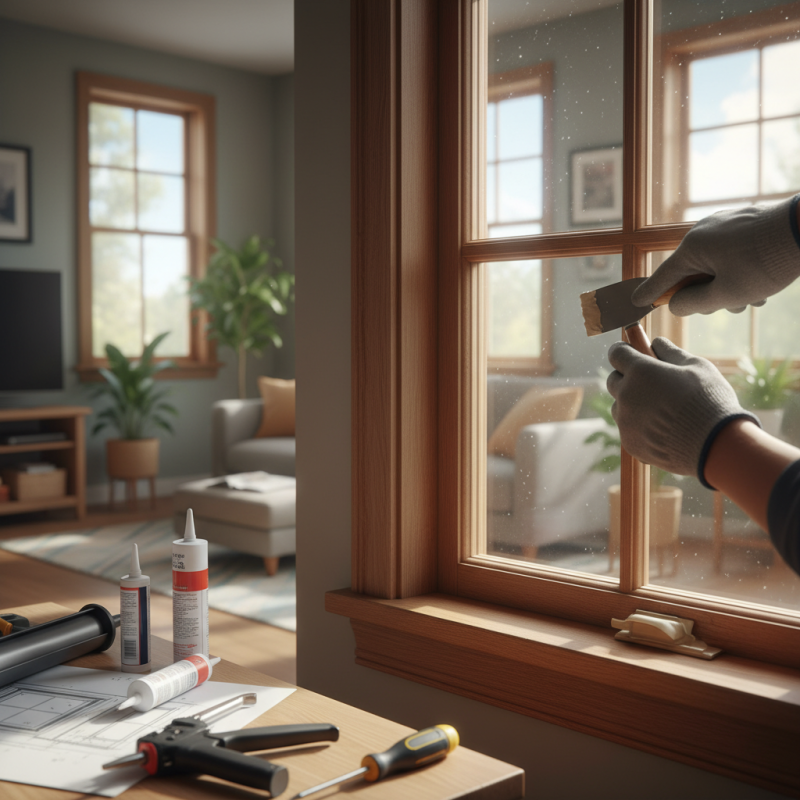
When embarking on a DIY window repair project, having the right tools is essential. Key tools will ensure you achieve high-quality results. A screwdriver set, for instance, is crucial for removing window hardware and frames. A utility knife is handy for cutting through weather stripping or old caulk. Don’t overlook safety equipment, such as gloves and goggles, to protect yourself during repairs.
Another vital tool is a measuring tape. Accurate measurements are necessary for fitting new glass or sashes. Many DIYers also benefit from a sealant gun for applying adhesive or caulk effectively. A putty knife offers precision when smoothing out any repairs or applying finishing touches. Remember, tool quality affects repair outcomes; invest wisely.
Before starting, reflect on your abilities. Not all repairs are simple. Some problems may require professional help. Assess the window's condition and determine if it’s a project within your skill set. Engaging in a repair without proper knowledge can lead to larger issues down the road. Always have a backup plan and know when to ask for help. Being prepared will save time and effort.
Step-by-Step Guide to Repairing Window Leaks
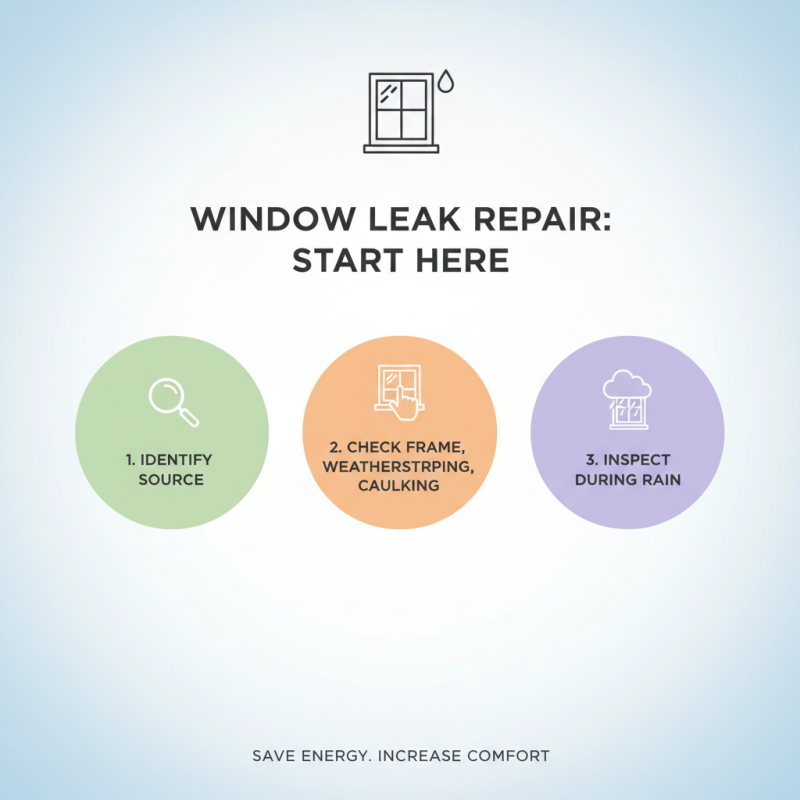
Window leaks can be a frustrating and costly problem for homeowners. They often lead to increased energy bills and discomfort within your home. To effectively address this issue, start by identifying the source of the leak. Check the window frame, weather stripping, and any caulking that may have deteriorated over time. Inspecting your windows during rainy weather can help highlight problem areas.
Once the source is identified, gather effective repair materials. Use high-quality caulk and weather stripping for a reliable seal. Carefully remove the old caulk and clean the surface. Apply the new caulk in a steady bead, ensuring it fills the gaps entirely. Take your time here; an uneven application could lead to future leaks. For weatherstripping, measure accurately and cut pieces to fit. Stick them in place, pressing firmly to ensure a tight seal.
After completing the repairs, it’s important to monitor the windows. Heavy rains or significant temperature changes may expose further flaws. Consider checking your work after a storm. Don’t be discouraged if the results aren’t perfect initially; window repair can take a bit of practice. The goal is to enhance the durability of your windows while preventing future leaks. Remember, consistency and attention to detail are key in achieving satisfactory results.
Best Practices for Replacing Window Glass Safely
Replacing window glass can be a delicate task. Assess the damage first. Determine whether the entire glass needs replacement or just a repair. If the glass is shattered, use safety gloves. Carefully remove glass shards, ensuring no sharp pieces remain. Clearing the area is crucial for safety.
Planning is essential before installation. Measure the opening accurately. Choose appropriate glass thickness based on your window frame. The type of sealant matters too. A poor seal can lead to air leaks. Ensure the new glass fits snugly in place. Some people rush this part.
While replacing, be gentle. Apply the sealant evenly around the edges. Press the glass down carefully, avoiding gaps. After installation, inspect closely. A well-done job should show no noticeable mistakes. If bubbles form in the sealant, it’s time to re-evaluate. Take a moment to reflect on your process and improve next time.
Top 10 Tips for Effective Residential Window Repair Solutions
Maintaining Windows After Repair: Tips for Longevity
After completing window repairs, maintaining them is crucial for their longevity. Start by inspecting your windows regularly. Look for any signs of wear or damage. Promptly addressing minor issues can prevent costly repairs later. Ensure that the seals around the glass are intact. This will help prevent air leaks and improve energy efficiency.
Cleaning your windows is essential. Use a mixture of vinegar and water for a streak-free finish. Avoid abrasive materials that can scratch the glass or frame. Remember to check the window frames, too. Wooden frames can warp or rot over time. Regularly applying paint or sealant can help protect them.
Weather-stripping is another important aspect of maintenance. Inspect it periodically to ensure it’s still effective. Replacing worn weather-stripping prevents drafts and enhances comfort. Occasionally, you might notice condensation inside your windows. This could mean you need to replace the seals. Don't ignore such signs. Addressing these issues early on will keep your windows functional for years.