Why Choose Wooden Furniture for Your Home?
Wooden Furniture brings warmth, structure, and a quiet sense of permanence into everyday rooms. A solid oak table can show visible grain beneath a reading lamp. A walnut cabinet can soften the sharp lines of glass, steel, and painted walls. These details are not merely decorative. They influence how a space feels, ages, and functions.
Industry evidence supports careful material choices. The Food and Agriculture Organization’s Global Forest Resources Assessment 2020 reports that forests cover about 31% of the world’s land area. It also notes that forest loss has slowed in recent decades, although serious regional risks remain. This context matters. Responsible furniture decisions require more than choosing a natural-looking surface. Buyers should check timber origin, certification, joinery, and finishing materials. The Forest Stewardship Council’s chain-of-custody system can help verify that certified wood remains traceable through production and distribution.
CSIL’s World Furniture Outlook 2024 also shows the furniture sector responding to changing consumer expectations, including durability, design value, and sustainability. Wooden furniture can support these expectations when manufacturers use properly dried timber and repairable construction. Screwed joints, replaceable handles, and refinishing options may extend a product’s useful life. That can reduce replacement pressure over time.
Still, wood is not automatically sustainable. Poorly sourced timber, excessive coatings, and disposable construction weaken its advantages. Some boards may warp. Finishes can scratch. These limitations deserve honest attention. With credible sourcing and practical maintenance, however, Wooden Furniture can offer a durable, tactile, and adaptable foundation for a thoughtful home.
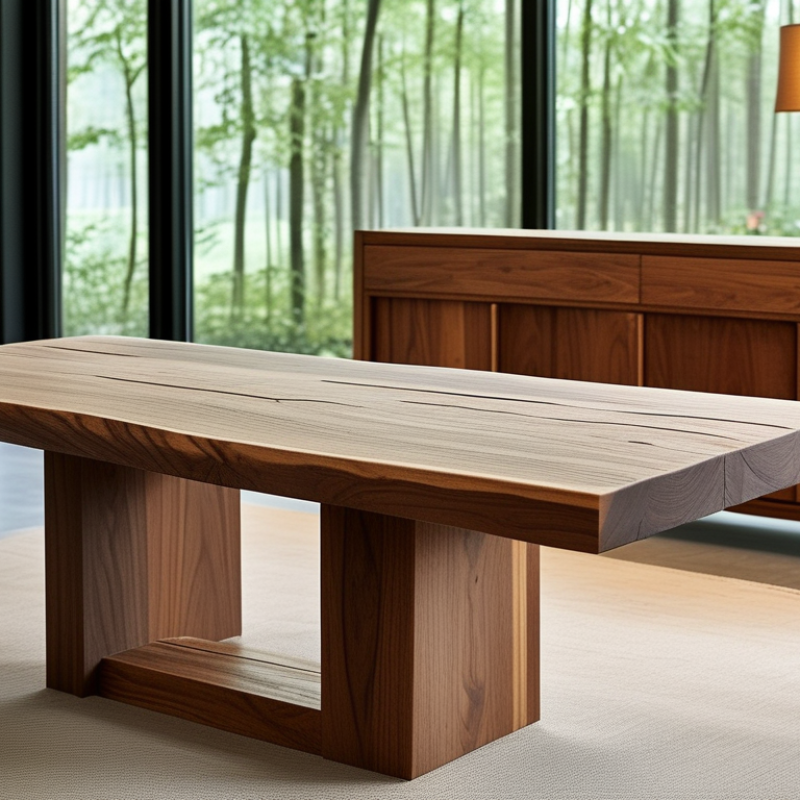
Wood as a Furniture Material: FAO Reports 4.06 Billion Hectares of Forests
Why Choose Wooden Furniture for Your Home?
Wood remains compelling because it brings warmth, texture, and visible craftsmanship into everyday spaces. FAO’s Global Forest Resources Assessment 2020 reports 4.06 billion hectares of forests worldwide. Forests cover about 31% of the planet’s land area. This scale matters, but forest coverage alone does not prove responsible furniture production. Origin and harvesting practices still require careful attention.
Wood is not automatically green. Its environmental value depends on durability, transport, processing, and replacement rates. The FAO report highlights continuing forest loss, although the pace of net loss has slowed since the 1990s. UNEP’s Global Resources Outlook 2024 warns that global material extraction could increase by 60% by 2060 without major changes. Choosing repairable furniture can reduce repeated resource use. Look for traceable timber and credible forest-management documentation.
In daily use, a wooden tabletop can gain character from small scratches. Many solid-wood surfaces can be sanded, refinished, or repaired instead of discarded. That practical lifespan is often overlooked. Still, wood can warp in excessive humidity, and poorly dried boards may crack. I would not call every wooden chair sustainable. A short-lived product, even when made from wood, can waste resources. Careful joinery, suitable moisture levels, and replaceable parts make a measurable difference.
Durability and Stability: USDA Wood Handbook Data on Moisture Control
Why Choose Wooden Furniture for Your Home?
Wooden furniture offers more than visual warmth. Its long service life depends heavily on moisture control, as explained in the USDA Wood Handbook. Wood is hygroscopic, meaning it continually absorbs and releases moisture from surrounding air. This natural exchange can change its dimensions.
In a heated home, interior wood often reaches about 6–8% moisture content, though climate and ventilation can shift that range. A damp room may make boards swell, while dry winter air can cause shrinking, small gaps, or hairline cracks. These changes are normal, not immediate proof of poor construction. Still, accurate drying and careful assembly matter greatly.
Keep furniture away from radiators, wet walls, and direct sunlight. Use a stable indoor environment when possible. A wooden table should not sit on a cold, damp floor for years. That mistake is easy to make. I have seen a cabinet door bind after one humid season because airflow was ignored. The lesson is uncomfortable: solid wood is durable, but it is not dimensionally fixed. Finishes slow moisture movement; they do not stop it. Properly seasoned wood, sealed end grain, and balanced construction can reduce stress. Regular inspection also helps, especially around joints and drawer movement.
Indoor Air Quality: EPA Finds Indoor VOC Levels Can Be 2–5× Higher
Why Choose Wooden Furniture for Your Home?
Indoor air deserves attention when choosing furniture. The EPA reports that indoor VOC levels can be 2–5 times higher than outdoor levels. VOCs may come from paints, adhesives, coatings, and pressed wood materials. They can collect in rooms with closed windows and weak ventilation. A new cabinet may look beautiful, yet its sharp chemical smell deserves attention.
Solid wood furniture can reduce some manufactured-board materials in your living space. Its structure is often simpler and easier to inspect. Look closely at the surface finish, joints, and exposed edges before buying. Low-emission coatings help, but “wooden” does not automatically mean healthier. Finishes still matter. Airflow matters.
In a bedroom, I would open windows and leave new furniture in a ventilated area. A clean, dry cloth can remove dust without adding another chemical scent. Check product information for formaldehyde emissions and coating details when available. Independent testing is more dependable than vague natural claims. I used to assume that a heavy wooden table was always the safer choice. That assumption was too simple. Some solid wood pieces use strong sealants, while some engineered products have carefully controlled emissions. The material tells only part of the story. Consider ventilation, surface treatment, room size, and how long the odor remains.
Carbon Benefits: IPCC Data on Carbon Storage in Harvested Wood Products
Why Choose Wooden Furniture for Your Home?
A wooden table does more than fill an empty room. It can keep carbon stored after trees are harvested. The IPCC recognizes this pool as harvested wood products, or HWPs. Its accounting guidance tracks carbon in furniture, boards, paper, and construction materials. Under IPCC default values, sawnwood has a 35-year half-life. Wood-based panels have a 25-year half-life. Paper products have only a two-year half-life. These figures describe average carbon retention, not a guarantee.
That distinction matters.
A solid wooden chair may remain useful for decades. Its carbon stays locked away while the chair remains in service. Repairing it can extend that period. Reusing or recycling it may delay disposal further. However, burning or decomposing wood releases much of its stored carbon. Manufacturing energy, transport, coatings, and forest management also affect the total footprint. A wooden product is not automatically climate-friendly. The source and lifespan matter.
When I examine furniture choices, I look for durable joints, repairable surfaces, and clearly described timber sources. I also question vague claims about “carbon neutral” furniture. IPCC data supports careful carbon accounting, but it does not excuse wasteful consumption. A smaller, long-lasting piece can be more sensible than a cheap replacement. The numbers help, yet they remain estimates. Real homes are messier than spreadsheets.
Responsible Purchasing: FSC Certification Covers Over 160 Million Hectares
Why Choose Wooden Furniture for Your Home?
Responsible Purchasing: FSC Certification Covers Over 160 Million Hectares
Wooden furniture brings visible grain, warmth, and a repairable surface into daily life. Yet the material’s beauty should not hide its origin. The Food and Agriculture Organization reported that forests cover about 31% of the world’s land area. It also recorded 420 million hectares of forest loss between 1990 and 2020. These figures make responsible purchasing more than a decorative choice.
FSC certification covers over 160 million hectares of forests worldwide, according to FSC Facts & Figures data. The certification evaluates forest management, biodiversity protection, worker rights, and community interests. Its chain-of-custody system also tracks certified material through processing and manufacturing. Look for a valid FSC label and certification code on the product or its documents. Ask where the timber was sourced.
Details matter.
A certified label does not make a chair impact-free. Transport, adhesives, finishes, and product lifespan still influence its footprint. The FAO’s 2020 forest assessment found that the rate of net forest loss has slowed, but forests remain under pressure. Choose solid construction, replaceable parts, and finishes with clear safety information. I have found that a slightly imperfect knot can be more honest than flawless veneer. Still, certification claims deserve checking. FSC databases and supplier records provide stronger evidence than vague words such as “natural” or “eco-friendly.”
| Data Dimension | Verified Fact or Data Point | Why It Matters When Buying Wooden Furniture |
|---|---|---|
| FSC-certified forest area | More than 160 million hectares of forests are covered by FSC certification. | This provides a large-scale framework for responsible forest management and helps shoppers look beyond appearance or price alone. |
| Certification scope | FSC forest certification addresses environmental, social, and economic aspects of forest management. | A certified wood product can support responsible sourcing when the certification claim is valid and traceable. |
| FSC 100% label | The product is made entirely from material sourced from FSC-certified forests. | This is the clearest FSC option for buyers seeking furniture made wholly from certified forest material. |
| FSC Mix label | The product contains a combination of FSC-certified material, recycled material, and/or controlled wood. | It supports responsible material use while allowing products to combine different verified wood sources. |
| FSC Recycled label | The product is made from 100% recycled material, according to FSC labeling requirements. | Recycled wood can reduce reliance on virgin timber and make use of materials already in circulation. |
| Supply-chain traceability | FSC Chain of Custody certification tracks certified material through the supply chain, from forest to finished product. | Check for the FSC label and certificate information rather than relying only on the phrase “eco-friendly.” |
| Material longevity | Solid wood furniture can often be repaired, refinished, or structurally restored instead of being discarded. | Longer product use can reduce replacement frequency and the amount of furniture entering the waste stream. |
| Repairability | Common wooden components, including tabletops, legs, drawers, and joints, may be repairable or replaceable depending on construction. | Choose accessible joints, replaceable hardware, and a finish that can be maintained over time. |
| Material transparency | Responsible purchasing includes identifying the wood species, whether the material is solid wood or composite, and the source claim. | Clear product information helps buyers compare durability, maintenance needs, and sourcing responsibility. |
| Practical buying check | Look for a valid FSC claim, product labeling, certification details, and consistent information across the seller’s documents. | These checks help distinguish a verifiable certification claim from an unsupported sustainability statement. |
